What to Look for When Buying a Used Excavator?
Release time: 2025-11-27
Table of Contents
Investing in heavy machinery is a significant decision for any construction or mining business. In 2026, as project costs rise, many savvy contractors are turning to the pre-owned market. However, finding durable used excavators that can withstand rigorous daily operations requires a keen eye and a systematic approach. Whether you are searching for low-priced used excavators to fit a tight budget or hunting for top-selling used excavators with high resale value, this guide covers the essential inspection points.
The Heart of the Machine: Engine and Hydraulics
The most critical components of any excavator are its engine and hydraulic system. When inspecting a unit, start the engine and listen for unusual knocking or rattling sounds.
Smoke Check: Observe the exhaust color; excessive black or blue smoke can indicate internal engine wear.
Hydraulic Precision: Operate the boom, stick, and bucket. Look for smooth movements and check for any “drift” when the arm is held in a stationary position. To ensure you are getting durable used excavators, inspect the hydraulic cylinders, hoses, and the main pump for leaks or oily residue.
Structural Integrity: Boom, Stick, and Undercarriage
Heavy-duty work often leads to structural fatigue. Look closely at the welding points on the boom and arm. Fresh paint in specific spots may be a red flag, potentially hiding cracks or structural repairs.
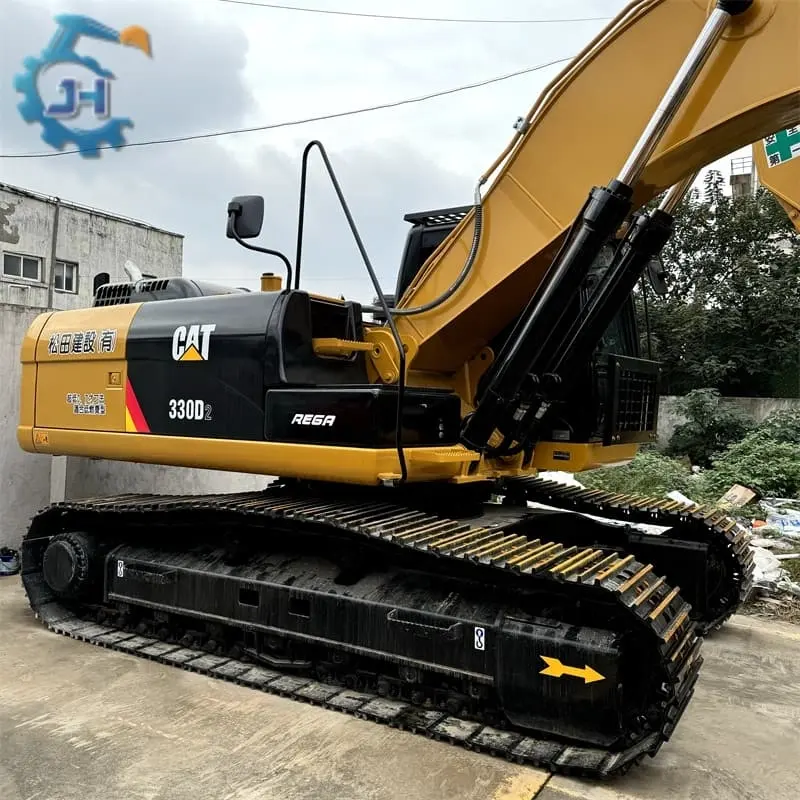
Undercarriage Costs: The undercarriage can account for nearly 50% of maintenance costs. Check the tension of the tracks and the wear on the sprockets and rollers.
The Slew Ring: Rotate the upper structure. Any wobbling or grinding sounds may indicate a worn slew ring—one of the most expensive parts to replace.
Evaluating Value: Hours vs. Service History
While many buyers are drawn to low-priced used excavators, a low price often correlates with high operating hours. However, a machine with 5,000 hours and a perfect service log is often a better investment than one with 2,000 hours and no records.
Verify the Hour Meter: Check for wear on the control pedals and joysticks. If the meter shows low hours but the cab interior is heavily worn, the reading may be inaccurate.
Maintenance Logs: Reputable used excavator suppliers should provide detailed logs of oil changes, filter replacements, and past major repairs.
Why Choose Top-Selling Brands?
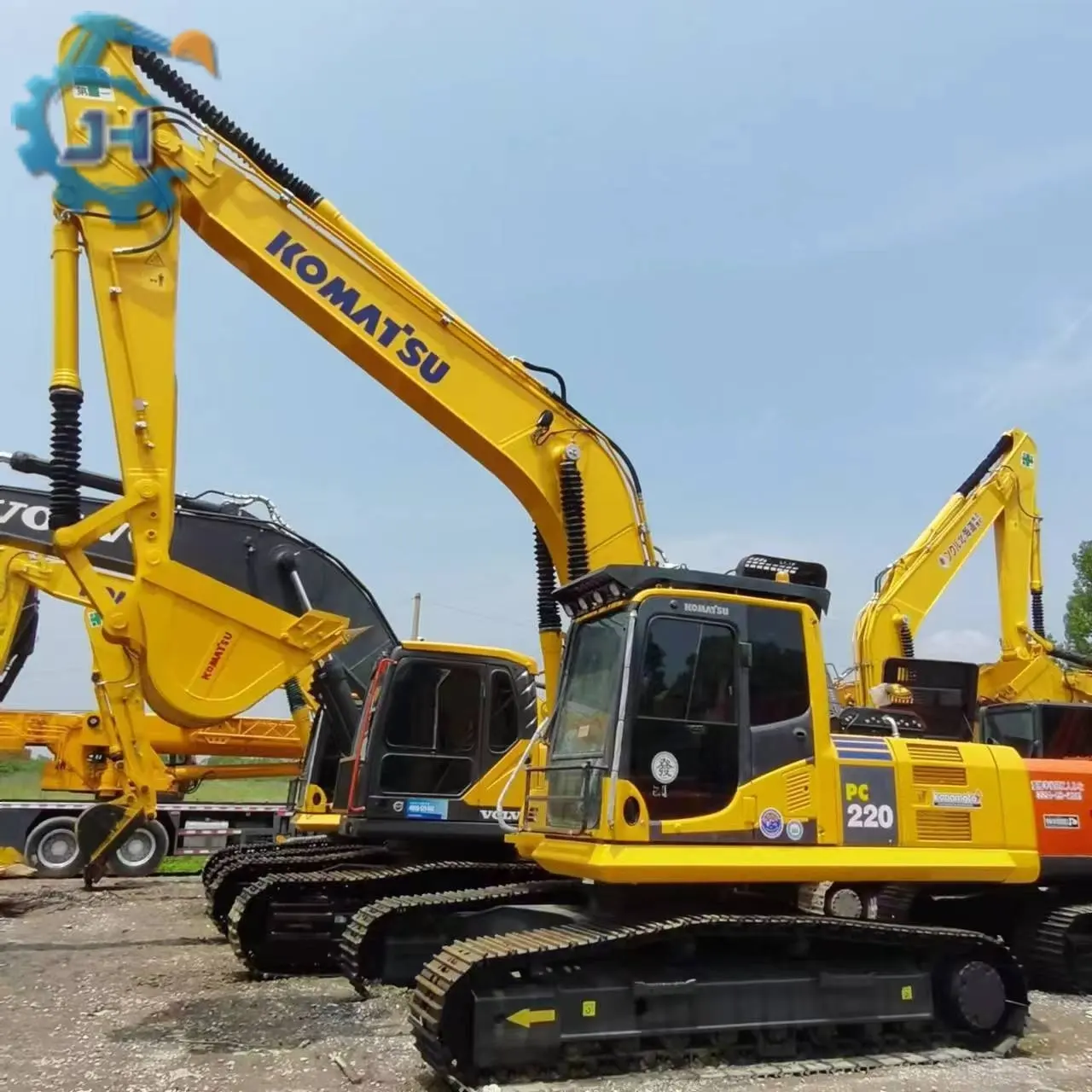
In the 2026 market, top-selling used excavators from brands like Caterpillar, Komatsu, and Sany remain popular for a reason: parts availability. Even a low-priced used excavator becomes a liability if you cannot find spare parts in your region. Choosing a well-known model ensures that your downtime is minimized and your investment is protected.
Conclusion
Buying a used excavator doesn’t have to be a gamble. By focusing on the engine’s health, structural integrity, and verified service history, you can secure a machine that offers years of reliable service at a fraction of the cost of new equipment.